Q1 Strategy
Focus on frozen vegetable stocks and cold-storage apples. Imported citrus reaches lowest price point in late January due to Florida/California harvest peaks.
Data AnalysisThe Canadian produce market is characterized by extreme seasonality due to the limited 120-150 day growing window in Atlantic Canada. During the "Import Era" (November through May), retailers rely heavily on logistics chains originating from the Southern United States, Mexico, and South America. This shift introduces a variable "Transportation Surcharge" hidden within the consumer price index, often accounting for 25% to 40% of the final shelf price for items like leafy greens and citrus.
When domestic supply peaks in late August, the "Local Substitution Effect" triggers a price compression. Data from 2023 indicates that the arrival of Nova Scotian field crops reduces the average price per kilogram of root vegetables by approximately 34.2% compared to late-March peaks. Our analysis shows that understanding the precise week of transition from imported to domestic supply is the single most effective lever for large-scale grocery budget optimization.
"Price volatility in fresh produce is not random; it is a calculated reflection of fuel costs, currency exchange rates (USD/CAD), and agricultural yield cycles. Predicting these cycles allows for a 15-18% reduction in annual food expenditure without volume reduction."
| Category | Peak Price Month | Optimal Purchase Window | Avg. % Savings |
|---|---|---|---|
| Root Vegetables | April (Imported) | September - October | 45% |
| Stone Fruits | February (Off-Season) | July - August | 60% |
| Leafy Greens | January (Frost Risk) | June - September | 30% |
| Cruciferous | May | October - November | 38% |
Focus on frozen vegetable stocks and cold-storage apples. Imported citrus reaches lowest price point in late January due to Florida/California harvest peaks.
Data AnalysisTransition to local field berries and greenhouse tomatoes. Avoid imported cucumbers as local yields flood the market in late June, dropping prices by 50%.
Stock PlanningBulk procurement of squash, pumpkins, and potatoes. This is the period of maximum caloric density per dollar during the Atlantic harvest finale.
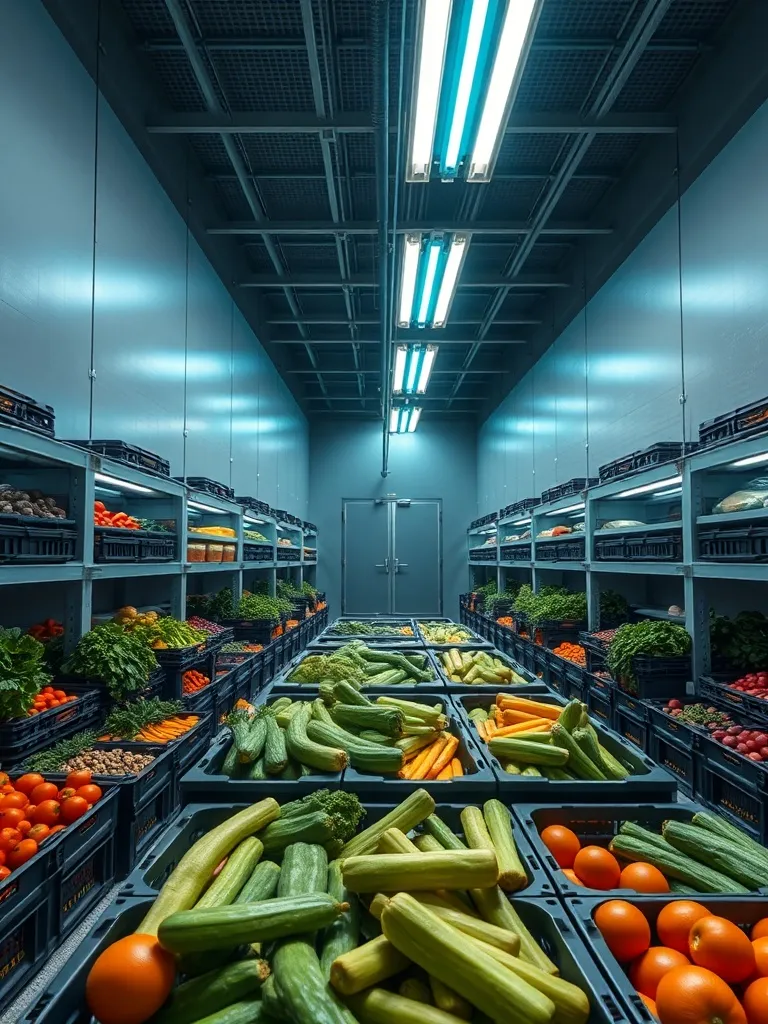
Reward ROIMaximizing the efficiency of seasonal shopping requires a technical understanding of crop respiration rates and ethylene gas production. Bulk purchasing during price troughs is only effective if the decay rate is controlled through precise storage parameters.
Our data sets cover over 45 retailers across Nova Scotia, tracking 1,200+ individual SKUs daily. Stop guessing and start calculating your grocery ROI based on verifiable market cycles.
The data and analytical frameworks provided on this platform are intended strictly for informational and educational purposes. All market projections, historical price cycles, and procurement strategies are reference-only materials and do not constitute professional financial advice or guaranteed savings. Market conditions in the retail sector are subject to rapid fluctuations based on external economic factors beyond the scope of this analysis.